
What we do
Cat6 / Cat6A structured cabling
Structured cabling is a standardised copper infrastructure running from floor distribution points to work areas (ISO/IEC 11801, TIA-568). Cat6 covers most office and residential needs, while Cat6A carries 10 Gigabit over 100 metres and is preferred as a future-proof investment. Bend radius and pulling tension limits are observed and data cable is separated from power lines. Every point ends in a compliant outlet and patch panel.
Fibre optic backbone, splicing and termination
A fibre optic backbone gives high speed and long reach between buildings, floors and equipment rooms and is immune to electrical interference. Single-mode (OS2) cable is used for long distances and multimode (OM3/OM4) for in-building links. Fusion splices and connector terminations are made carefully and each link is measured to minimise loss. Splice enclosures and distribution frames are installed neatly and labelled.
Rack cabinets, patch panels and equipment room layout
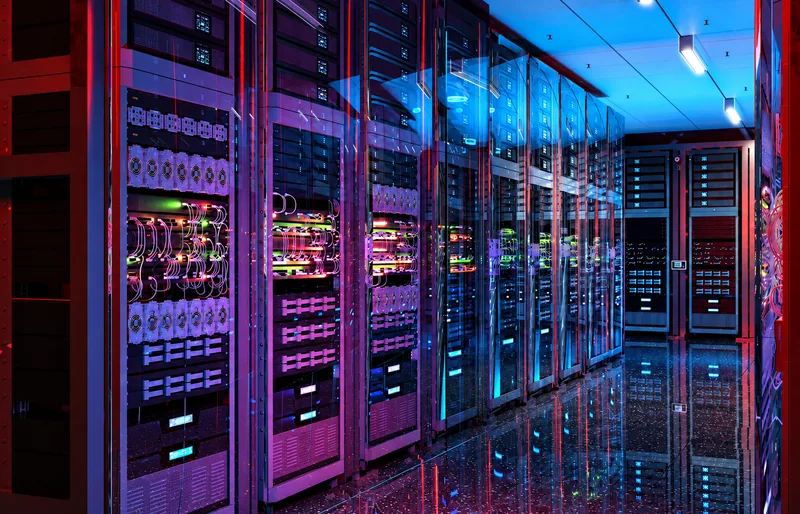
Rack cabinets are the foundation of an equipment room where active devices (switches, routers, servers) are housed neatly, ventilated and secure. Patch panels and cable management keep connections organised, so during a fault it is easy to see which cable goes where. Cooling, power distribution (PDU) and UPS needs are calculated, and maintenance clearance is left in front of the cabinets.
Cabling tests and labelling
After cabling, every link is measured with a certified tester; length, attenuation, return loss and crosstalk are compared with the standard limits. Results are delivered point by point as a report. Each cable and outlet carries a unique label at both the panel and the end point, which makes later troubleshooting and additions much faster.
Wireless (Wi-Fi) infrastructure
A wireless network must be fast and secure for staff and guests. A site survey is made first, based on the structure of the space, and the number and position of access points follow from it. Modern Wi-Fi standards give high performance in crowded areas. Guest and corporate networks are managed separately, and authentication and encryption are set to the security requirement.