
What we do
IP camera and recorder (NVR) systems
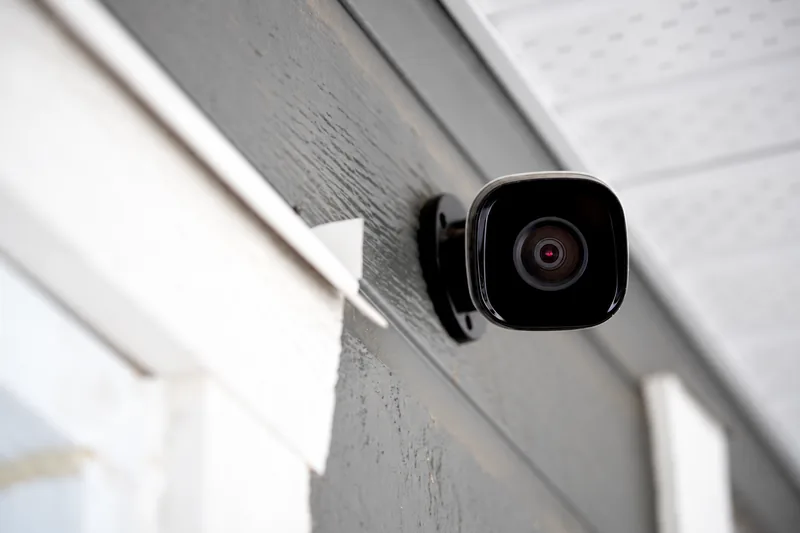
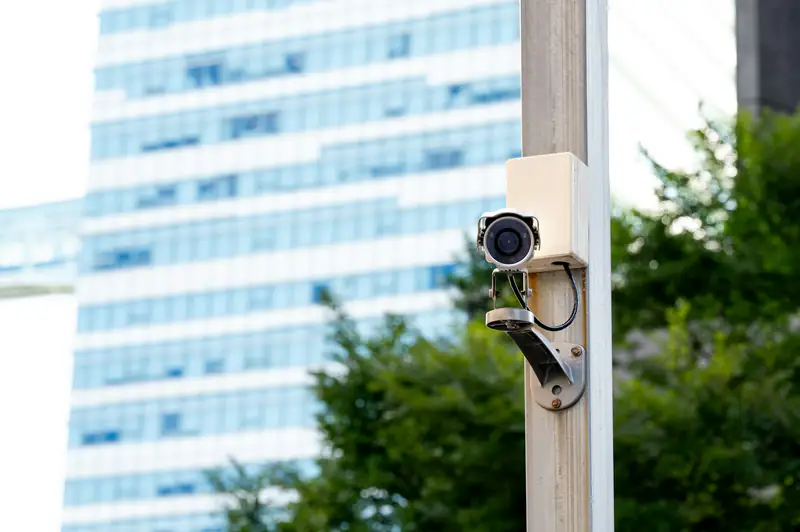
IP cameras carry both video and power (PoE) over a single network cable, which simplifies installation. They are selected by resolution, lens, night-vision range and environmental rating (such as IP66). Footage is stored on an NVR, and disk capacity is calculated from the required retention (for example 30 days), camera count and compression type (H.265), giving both sharp images and a sufficient archive.
Camera placement and field-of-view planning
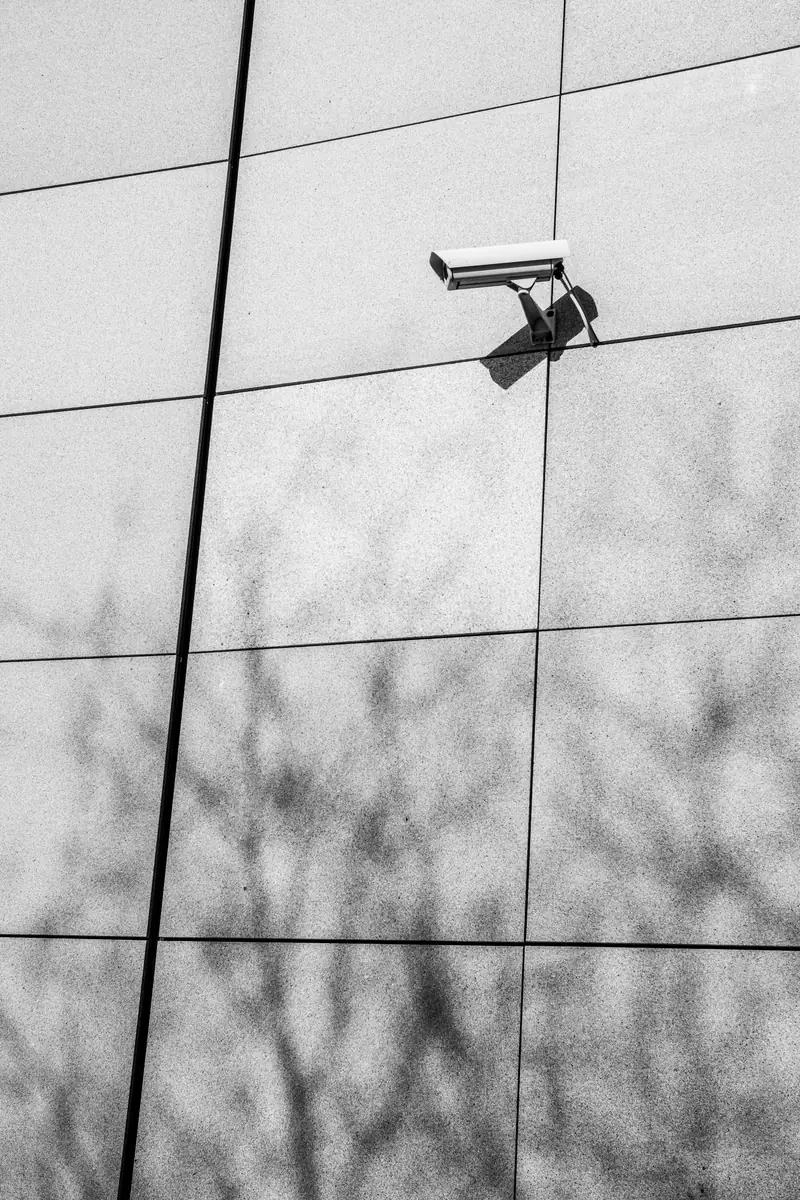
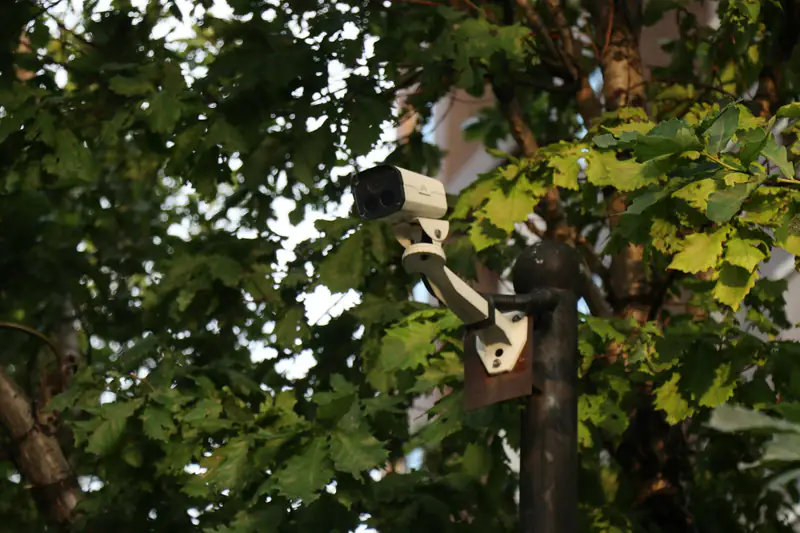
Where a camera looks matters as much as the camera itself. A site survey is made; entrances, car parks, blind spots and lighting are taken into account to choose each camera's field of view, mounting height and lens. For specialised needs such as plate recognition, angle and vehicle speed are calculated separately. The plan is presented as a layout drawing so coverage can be reviewed before installation.
Central monitoring and remote access
All cameras can be viewed from central monitoring software or security-room screens, and footage from an incident is easy to find and export. Authorised users get secure remote access from phones and computers. User rights (view only, export, configuration) are defined separately, and password policy and network security settings are part of the installation.
Analytics such as licence plate recognition and zone intrusion
Analytics turn recording into a system that watches. Plate recognition provides vehicle entry/exit logs and blacklist alerts; zone intrusion and line crossing raise an alarm when a defined area is entered without authorisation. Sensitivity and zones are tuned on site to reduce false alarms. Alarms can go to the software, to e-mail or trigger other systems such as sirens, barriers and lighting.
Migration of existing analogue systems to IP
An existing analogue (coaxial) camera system can be moved to IP without a complete strip-out. Depending on the site, existing cables are reused with converters or new network cabling is installed. This brings high resolution, analytics and remote access, and the recorder is replaced with a new NVR. The migration can be phased so working cameras are changed over one after another without interruption.
Application areas: residential sites, hotels, schools, hospitals, factories, car parks.